A Partnership for Progress
Campus Model
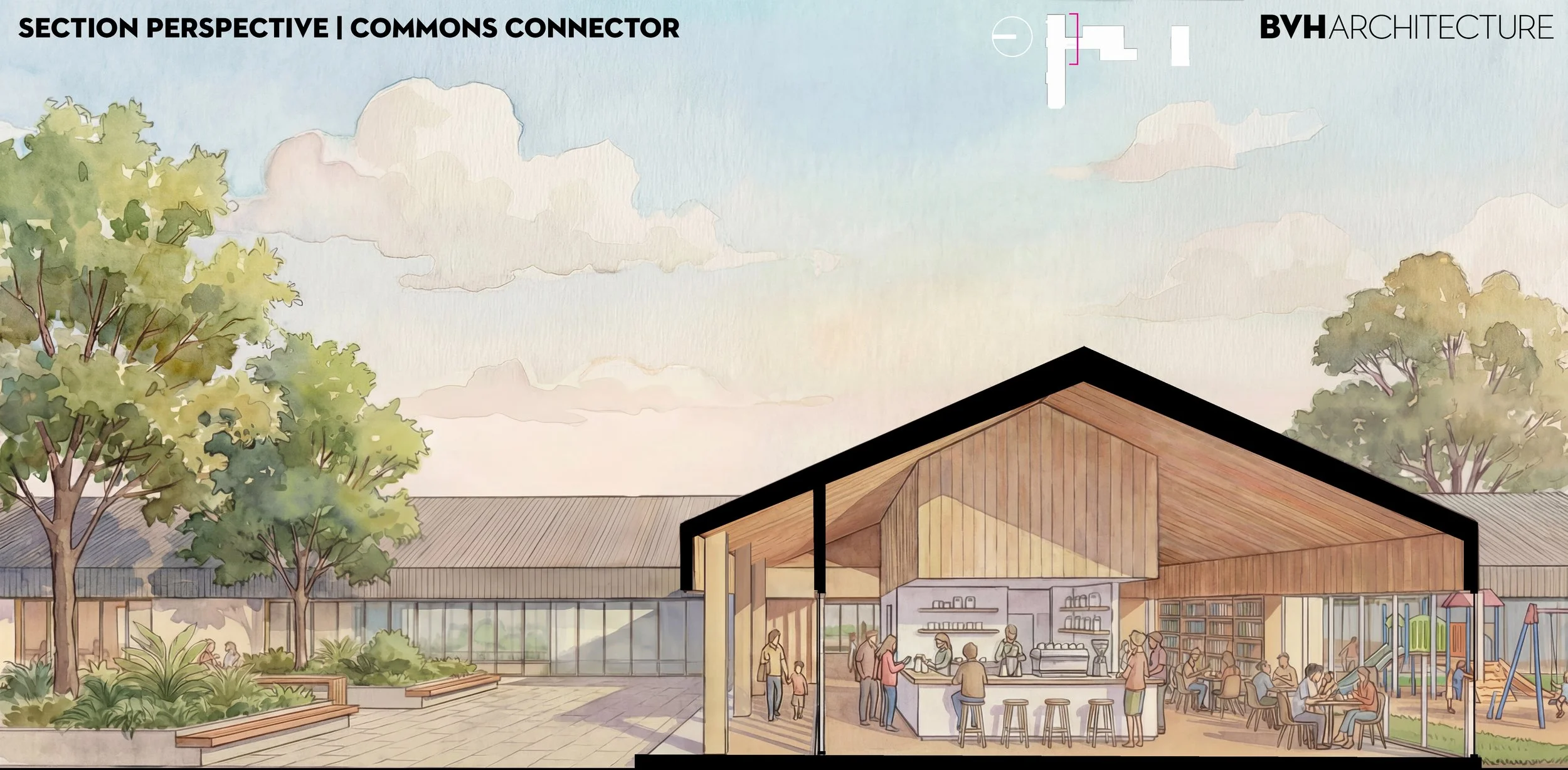
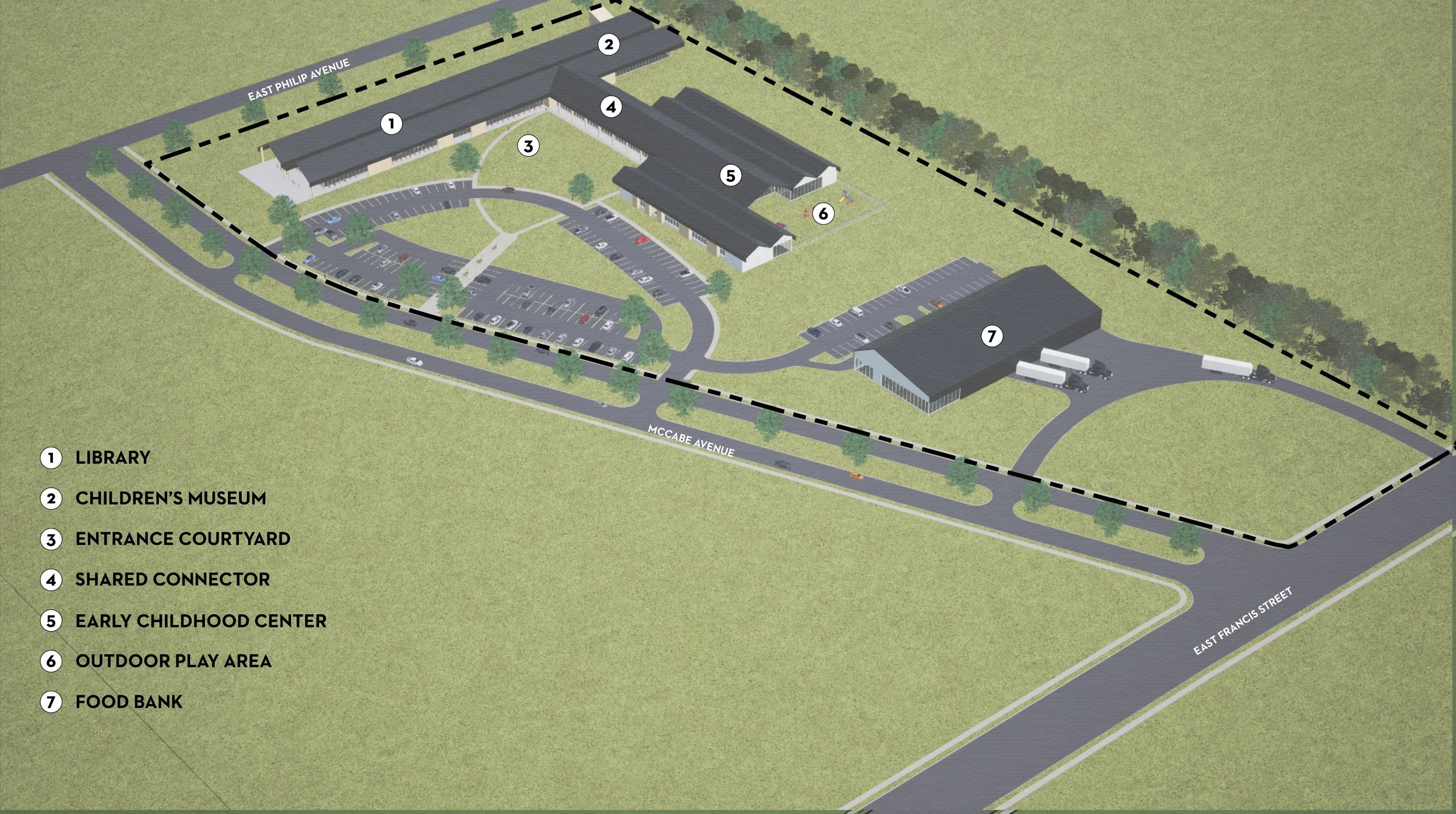
One shared building will house the child care center, the children’s museum, and the public library.
A second nearby location will house the food bank distribution center.
Co-location reduces capital cost, shares infrastructure, and increases service integration.
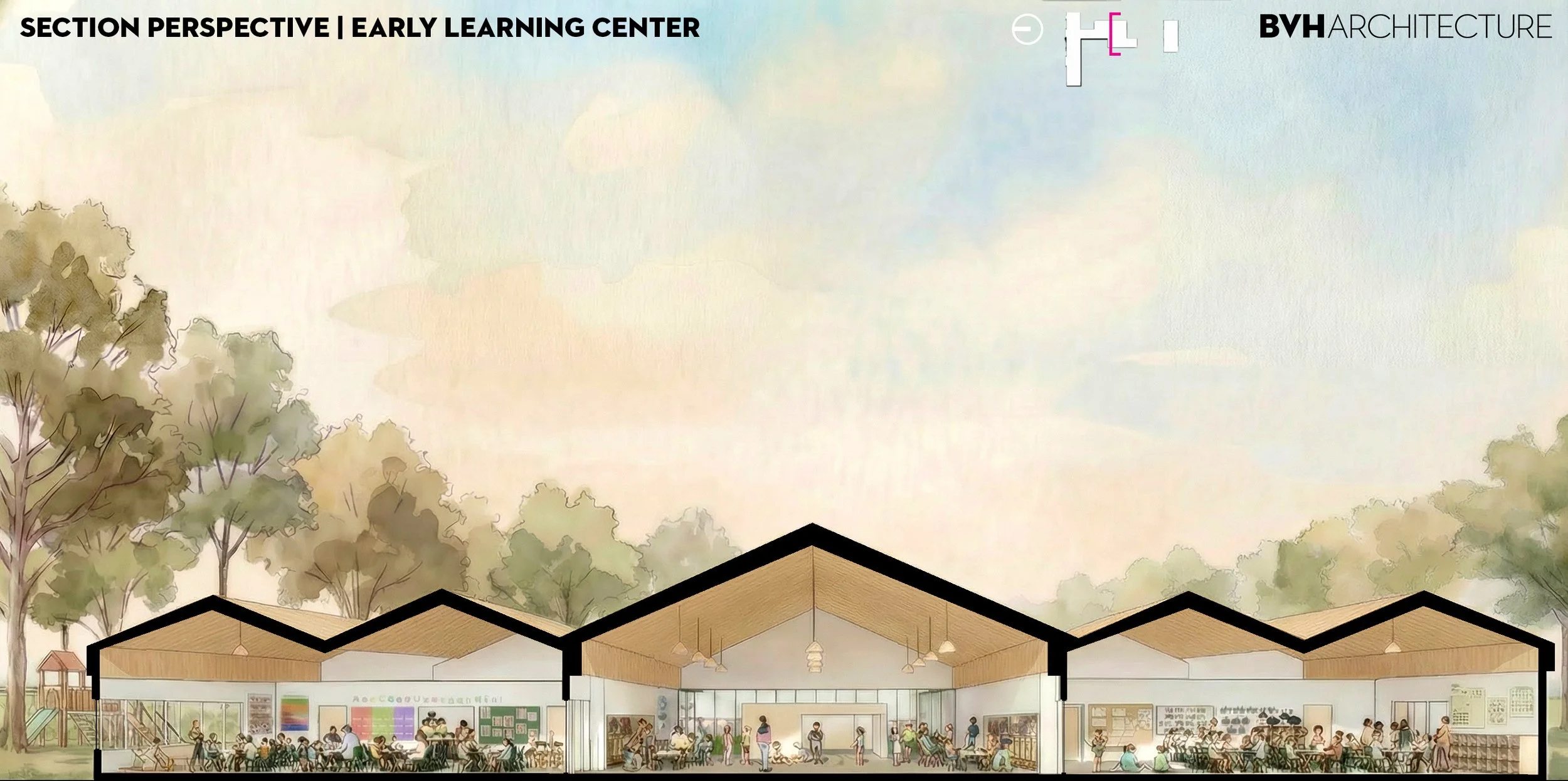
Early Learning Center
A Model of Long-Term Sustainability
This innovative structure provides:
Operational Security: A long-term, low-cost lease allows the ELC to focus resources on education rather than infrastructure.
Funding Resilience: By establishing stable, locally supported infrastructure, we mitigate the risks posed by potential cuts to federal grants.
Collaborative Impact: As a central component of the Collaboration Campus, the ELC serves as a blueprint for how public-private partnerships can solve the childcare crisis while ensuring long-term institutional viability.
The Challenge
Severe Shortage: There is a "GAP" of over 288 children in North Platte who have working parents but lack access to licensed childcare.
Sustainable Workforce Issues: The current childcare business model makes it impossible to pay livable wages because providers cannot charge families the true cost of quality care, leading to market instability and a lack of provider longevity.
Educational Readiness: Local data indicates a stark achievement gap, showing that 90% of kindergartners who do not attend preschool enter school in the bottom third of their class.
Limited Summer/Friday Care: Existing programs are insufficient; for example, the local public school summer program only accommodates 400 out of 3,500 total students.
The Vision
A New Standard for Early Learning
Our vision is to transform the landscape of early childhood education by establishing a 21,000 SF state-of-the-art Early Learning Center (ELC) within the new Collaboration Campus. This facility more than doubles our current capacity, replacing outdated spaces with an environment specifically engineered for modern developmental needs.
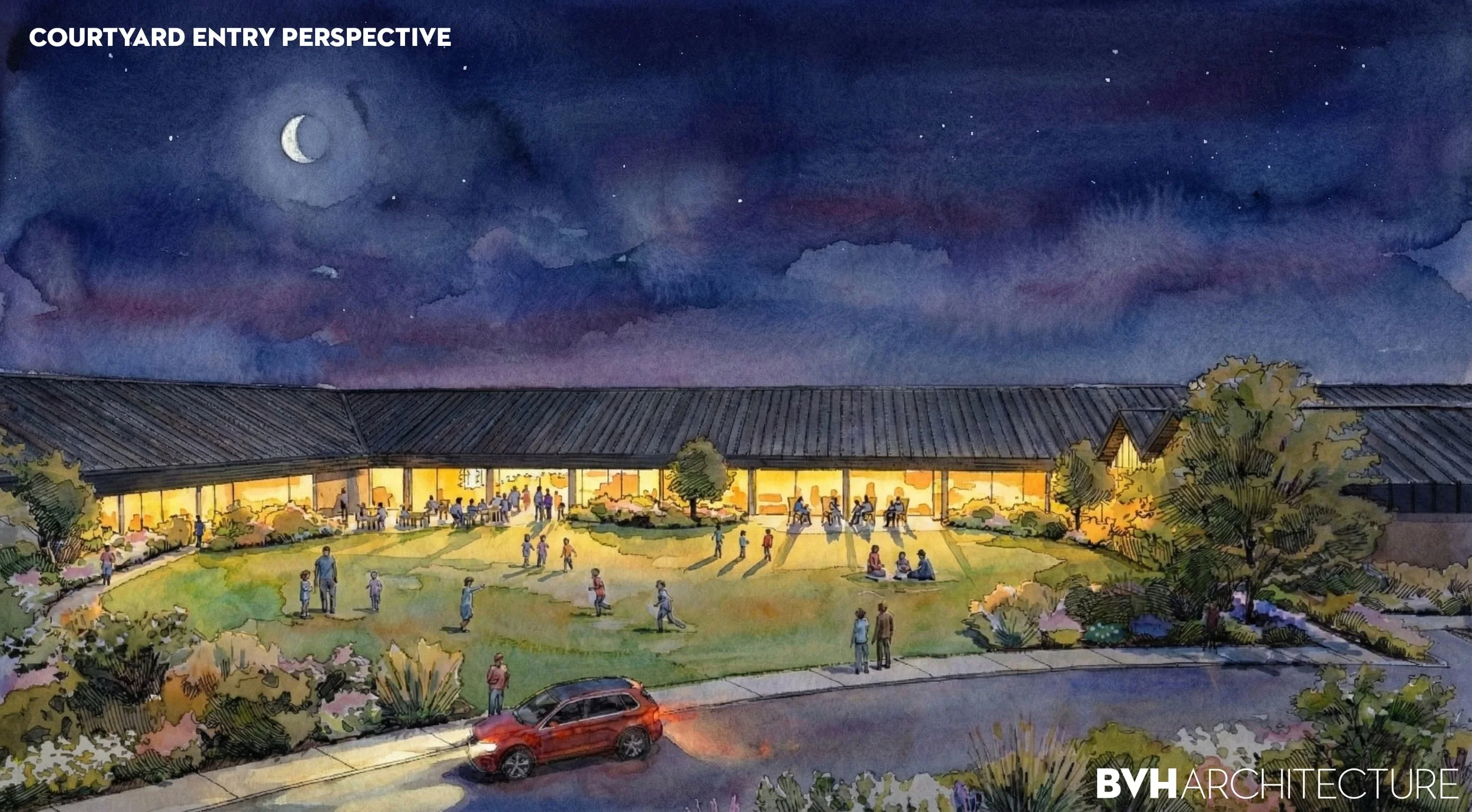
We envision a future where high-quality childcare is not a luxury, but a sustainable community pillar. By integrating the ELC into the Collaboration Campus, we are placing the center at the heart of the community—adjacent to new market-rate and affordable housing—to ensure seamless accessibility for working families.
North Platte Area Children's Museum
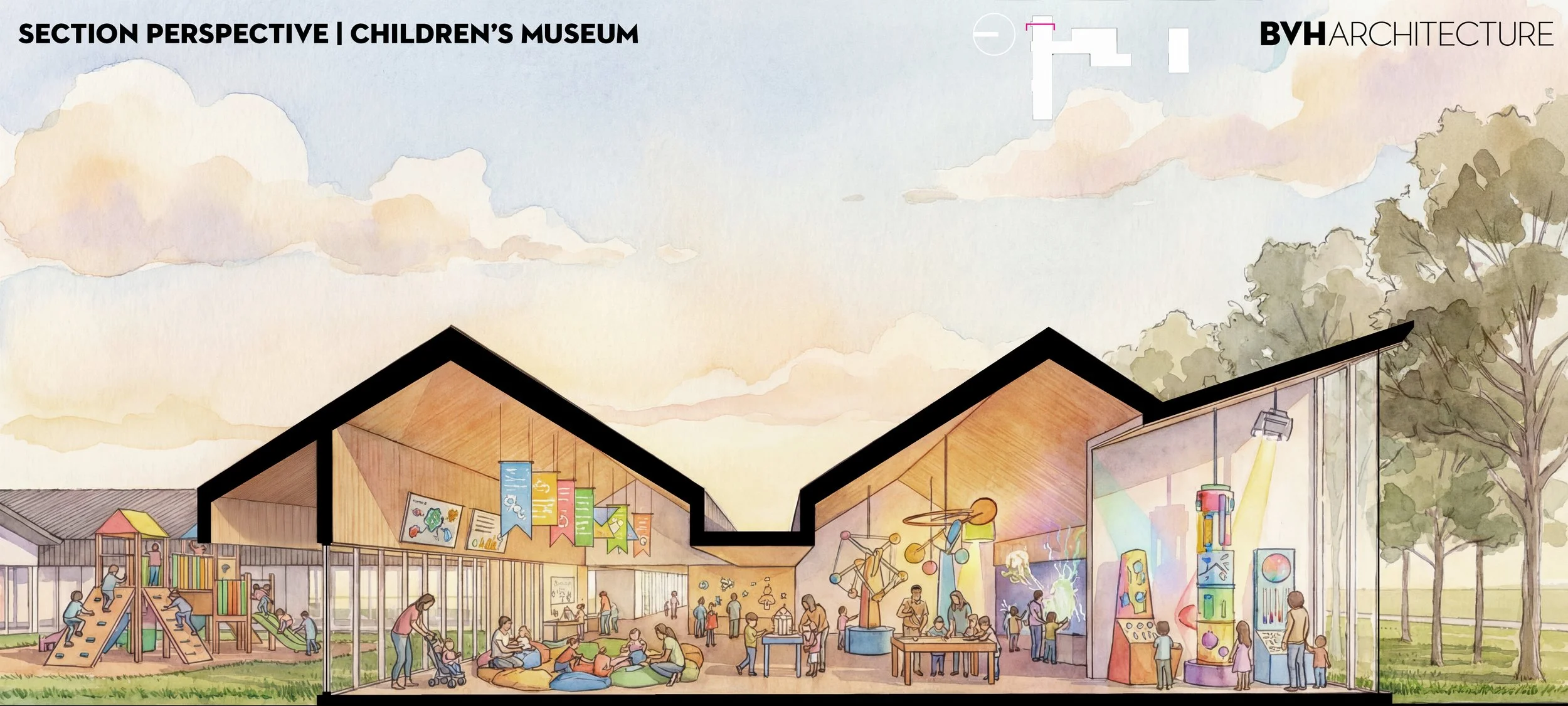
Integration and Operational Stability
The museum’s future is built on a foundation of shared success. By co-locating with the Public Library and the Early Learning Center (ELC), we are creating a seamless hub for community services that maximizes both impact and efficiency.
Collaborative Programming: Proximity is our greatest asset. The new campus enables the museum to offer adjacent programming with its partners, such as wellness and literacy initiatives that directly complement the services of the neighboring library and childcare center.
Unified Infrastructure: By sharing community meeting spaces and infrastructure, the museum becomes part of a cohesive ecosystem that is more resilient and accessible than any standalone facility could be.
The Challenge
The museum currently faces significant facility and safety limitations in its existing location:
Outdated Infrastructure: It is currently housed in the former Carnegie Library, which was built in 1912 and is ill-suited for a modern museum.
Safety Concerns: The museum lacks its own parking, forcing staff and families to use the adjacent county jail parking lot. Mothers with children have reported being approached for rides by individuals recently released from the jail.
Physical Deficiencies: The current building has unresolved accessibility issues (universal design needs), code compliance gaps, and significant deferred maintenance.
The Vision
A Premier Community Destination
Our vision is to transform the Children’s Museum into a premier, accessible "destination amenity" for North Platte families and visitors. By nearly doubling the museum’s footprint, expanding from 6,400 square feet to an estimated 12,060 square feet, we will provide modern facilities and engaging exhibits that inspire the next generation of learners.
The new museum serves as an inviting gateway to the Collaboration Campus, offering a warm and open welcome to every family in our region. By transitioning from the 112-year-old Carnegie Library into a purpose-built facility, we are moving past the safety and accessibility barriers of the past. Through universal design, we’ve created a space where every child, regardless of ability, can play, discover, and learn with dignity in a building designed specifically for their needs.
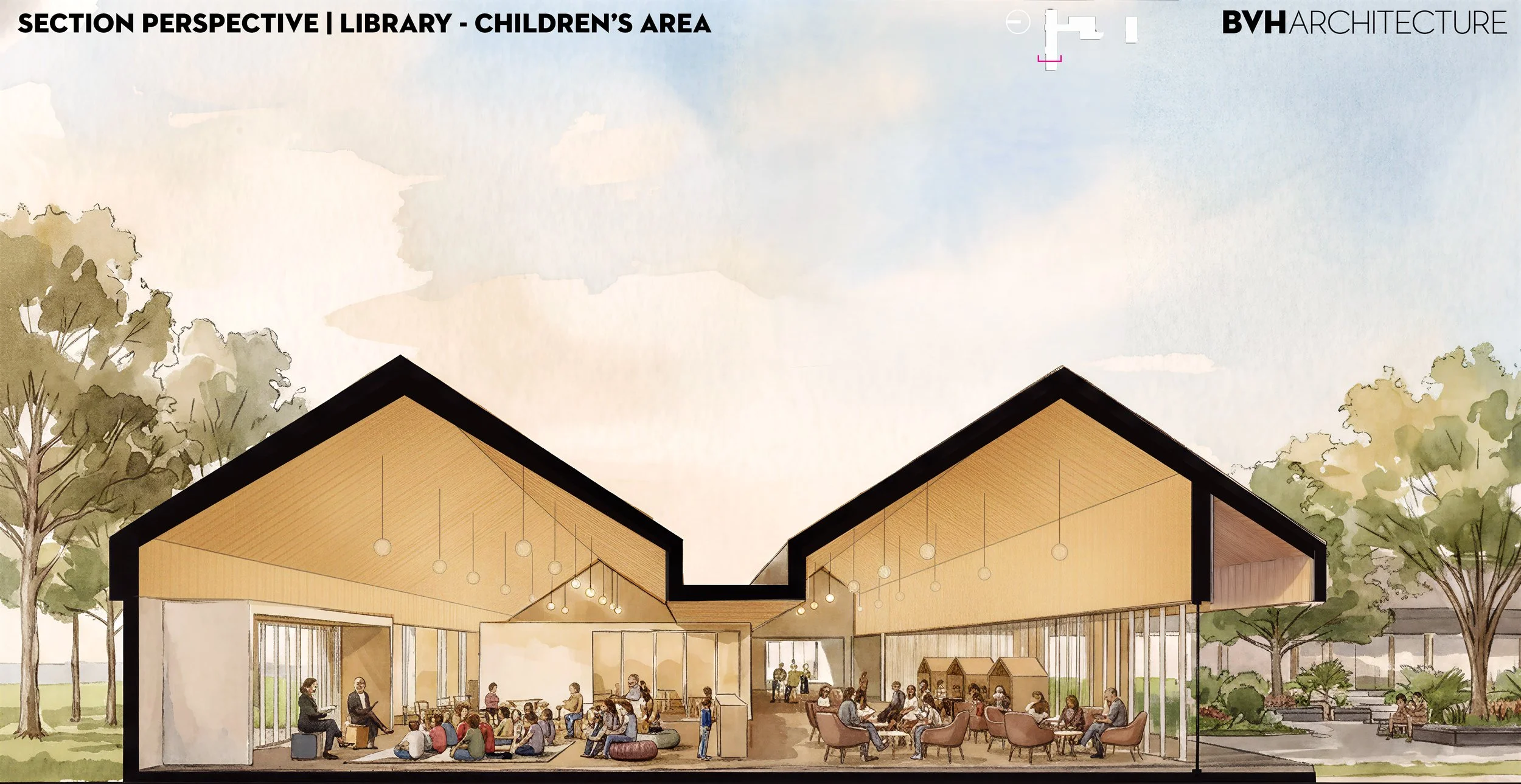
North Platte City Library
A Catalyst for Innovation and Creativity
The new library is designed to foster hands-on learning and lifelong education through specialized environments:
Expanded Maker-Space: Larger, high-tech labs to encourage creativity, technical skill-building, and entrepreneurship.
Community Teaching Kitchen: A dedicated space for nutritional education and collaborative community programming.
Integrated Learning Zones: Purpose-designed areas for adult education, information services, and a dedicated children’s library.
The Collaboration Campus model provides a fiscally responsible path to modernization that a standalone project could not achieve:
Leveraged Funding: By participating in the campus project, the city leverages a diverse funding stack, including money from regional/national foundations and local philanthropy, significantly reducing the burden on local public funds.
Enhanced Service Integration: Proximity to the Children’s Museum and Early Learning Center allows for seamless, multi-generational programming, ensuring the library remains the heart of North Platte’s educational ecosystem.
The Challenge
The current library infrastructure is no longer adequate for the city's modern programmatic and safety requirements:
Outdated Facility: The library was built in the 1960s and was designed for a different era of community needs.
Space Deficiencies: There is a severe lack of storage, and no private rooms are available for individuals or small-group meetings.
Undersized Specialized Areas: While the recently created maker-space has been popular, it is currently in only about one-third of the space it actually requires to meet demand.
Facility Limitations: The existing building suffers from deferred maintenance and code compliance issues that make it difficult to provide a modern, accessible, and safe environment for visitors and staff.
Financial Hurdles: The City of North Platte has discussed a new location for years, but the full cost of a solo project has been a significant drawback.
The Vision
A Modern Hub for Learning and Connection
The vision for the North Platte Public Library is to evolve from a traditional repository into a vibrant, modern community hub. As a primary anchor of the Collaboration Campus, the library is reimagined as an "all-day building", a welcoming gateway for the region that seamlessly integrates literacy, technology, and social services. This new model ensures the library remains a central destination where residents of all ages can connect, learn, and access essential resources from morning to evening.
To meet the demands of the 21st century, the project expands the library’s footprint from 20,000 square feet to a 28,945 square foot purpose-built facility. This expansion is designed with Universal Design principles at its core, ensuring the space is safe, accessible, and optimized for modern circulation and security
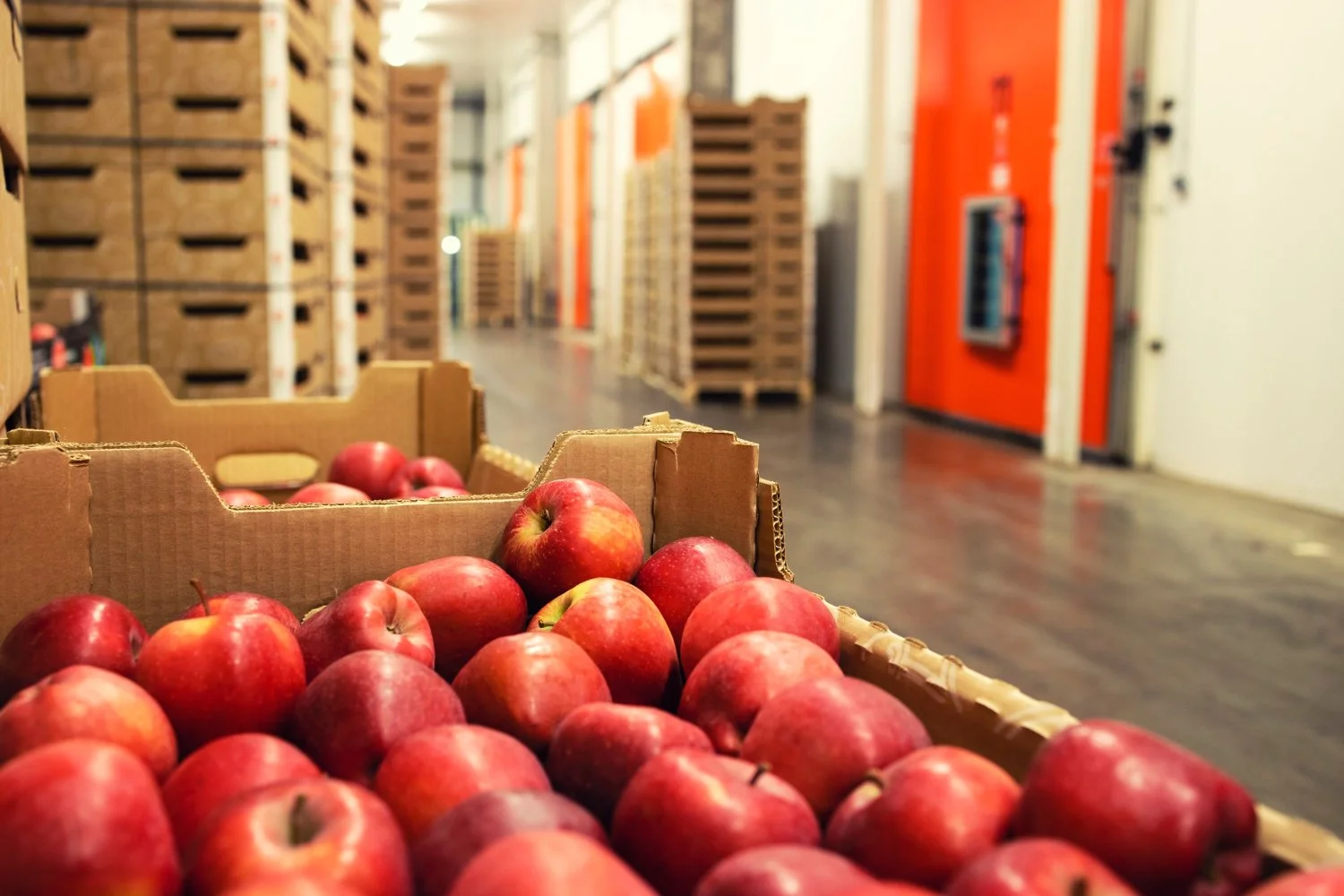
Food Bank Distribution
The Challenge
The current food distribution system for Western Nebraska faces severe logistical and capacity limitations.
High Need: There are currently 60,460 residents in Central, Southern, and Western Nebraska who qualify as food insecure.
Inefficient Logistics: The current business model requires trucking food from major donors (like the Walmart Distribution Center in North Platte) all the way to a warehouse in Omaha before it can be distributed back to Central and Western Nebraska.
Perishability Issues: Due to the long transport distances and times, it is currently nearly impossible to successfully distribute perishable items back to these western regions before they spoil.
Lack of Storage: There is a critical lack of warehousing capacity in Central and Western Nebraska, making it impossible for the Food Bank to handle the volume needed or foster new relationships with large donors outside of the Omaha/Lincoln area.
The Vision
The vision for the Food Distribution Center is to establish a strategic regional distribution hub that significantly improves food security across Central and Western Nebraska.
Regional Reach: The new facility is intended to provide enhanced access and responsiveness to the Greater Nebraska service area.
New Infrastructure: The plan includes a brand-new 18,000 SF distribution center, which would be a separate but closely located building on the Collaboration Campus.
You Can Be a Part of this Amazing Project.
Contact us to learn more.
Solves Critical Gaps: Directly addresses the 288 child childcare shortage and fixes a broken food distribution system that currently forces local donations to be trucked to Omaha and back.
Maximum Efficiency: The "shared-service" model eliminates duplicate costs. Public partners cover all facility overhead (utilities and maintenance), ensuring your donation funds programs and people, not building operations.
Modernizes Outdated Infrastructure: Replaces aging 1910s and 1960s facilities with safe, state-of-the-art spaces, including a 21,000 SF Early Learning Center and a regional Food Bank hub.
Powerful Strategic Alignment: This project represents a rare, formal alliance between the City, the Library, and multiple non-profits who have committed to a shared-service model that guarantees long-term sustainability through combined resources and shared public overhead.
Economic Catalyst: Essential for North Platte’s growth, providing the childcare and quality-of-life infrastructure needed to support new industries like Sustainable Beef and the International Port of the Plains.